Commercial Waste Removal in Bow
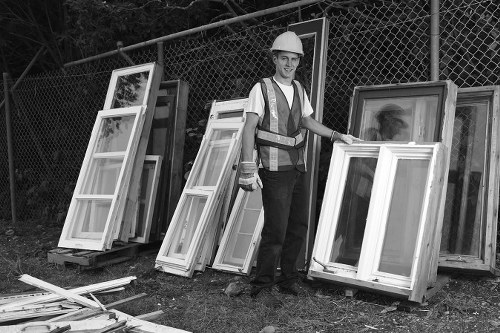
Commercial waste removal in Bow needs a practical service that keeps business premises clear, organised and ready for everyday use. We handle the collection of mixed non-hazardous waste from offices, shops, workshops and other commercial settings, with an approach that focuses on separating reusable, recyclable and residual material wherever that is sensible. The aim is straightforward: remove unwanted waste efficiently, keep disruption low, and help you maintain a tidy working environment.
Different businesses produce different kinds of waste, so the service is best shaped around what is actually being cleared. That may include packaging, broken fixtures, general rubbish, redundant office items or bulkier items that no longer serve a purpose. We also support customers who need business waste removal as part of an ongoing premises tidy-up, whether the issue is a one-off accumulation or the aftermath of changing layouts, stock rotation or refurbishing a working area.
Commercial waste is not just about hauling items away. Good planning matters because access, item type and volume all affect how the work should be carried out. If you are comparing options, it helps to think about the space you need cleared, the sort of waste involved and any time constraints around operations. Clear instructions make the process smoother, and a simple list of item groups is often enough to start shaping the job properly.
Office and workplace clearance
Offices often accumulate more waste than people expect: broken chairs, redundant desks, archived paperwork, packaging, printer consumables and worn fixtures can slowly take over storage rooms or corners of shared spaces. A commercial clearance can bring these materials together for responsible removal, leaving the workplace easier to use and simpler to manage. Where appropriate, we can also help with office clearance for larger internal changes, including clear-outs linked to relocation, reorganising departments or replacing outdated furniture.
Workplace clearances tend to work best when items are grouped before collection, but that does not mean the customer has to do everything in advance. It is usually enough to identify what stays, what goes, and whether any items need to be handled carefully because of size or placement. For example, lightweight archive boxes, office chairs and shelving units may be straightforward, while larger cupboards or awkwardly positioned items may need extra planning. The service is designed to be practical, not complicated.
Typical commercial items we can remove
Businesses often ask for help with mixed waste streams rather than one single item type. Common examples include:
- desk, chair and storage furniture that is no longer required
- cardboard, packaging and general non-confidential rubbish
- fixtures left behind after a refit or move
- mixed workplace clutter from shared offices or back rooms
Retail, trade and site waste
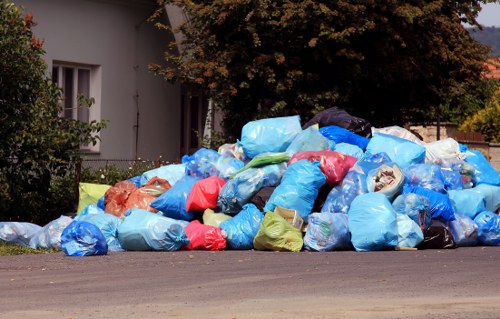
Retail units, workshops and other trade premises can generate waste quickly, especially when deliveries arrive in bulk or stock is constantly moving. Commercial waste removal in Bow is useful when the problem is not household rubbish but business material that needs a direct, organised collection. That may include display fittings, damaged stock packaging, broken back-of-house equipment or mixed debris from ordinary day-to-day operations. For larger mixed loads, our waste removal service offers a broad solution where several item types need to go together.
Some customers need clearance because an area is being reorganised rather than emptied completely. In those situations, the job can be tailored to remove only the items that are genuinely surplus, leaving stock, tools or equipment in place. This approach keeps the service focused and avoids unnecessary handling. It also helps when the working space has to remain usable during opening hours or when access is shared with staff, suppliers or customers.
Useful preparation does not need to be elaborate. If you can separate loose rubbish from items that may be reused, or identify anything that should be kept aside, that is often enough to make the collection more efficient. A short note about stairs, loading access or restricted entrances can also be useful. If the waste includes specialist material, it is best to mention that early so the right route can be chosen.
Furniture and bulky items
Bulky commercial items are often the hardest part of a clearance because they take up space, can be awkward to move and may need more than one person to handle them safely. Items such as office desks, filing units, reception seating, cabinets and shelves can be removed as part of a wider business waste job or on their own when they are no longer needed. If your premises also need domestic-style bulky item removal, our furniture disposal page covers that type of work in more detail.
Where furniture is still in usable condition, it is sensible to think about whether it belongs with the waste or in a separate pile for reuse, relocation or donation. The service is not about forcing every item into a single stream; it is about taking away the things that genuinely need to leave the site. This distinction matters because commercial premises often contain a mixture of rubbish, reusable assets and items that are simply worn out. Handling them sensibly keeps the job more orderly.
Furniture clearances may also involve disassembly where needed, particularly for larger desks or storage systems that cannot come out in one piece. That is one reason it helps to know in advance whether the items are freestanding, fixed, stacked or blocked by other materials. A little planning can save time on the day and reduce the chance of accidental damage to floors, walls or doorframes.
Recycling and responsible sorting

Responsible commercial waste removal should not treat every load as identical. Cardboard, metal, wood, plastic and electrical items often need different handling routes, and a sensible clearance service will sort material where possible so that reusable and recyclable items can be separated from residue. Our recycling and sustainability information explains the broader approach to diverting suitable material away from disposal when it can be done correctly.
This sort of sorting is especially useful for businesses that regularly receive deliveries, replace displays or refresh internal layouts. It means the collection is not merely a lift-and-take exercise; it is part of a wider clean-up process that helps reduce the amount of mixed waste going to disposal unnecessarily. That said, recycling options depend on the actual material presented, and some items need to be treated as general waste if they cannot be separated safely or appropriately.
Clarity about the contents is useful because it lets the collection be planned in a way that suits the load. If there are a few fragile items, mixed packaging, or a combination of hard materials and softer waste, noting that up front helps to avoid confusion. Commercial clearances work best when the scope is specific, not vague.
Business clearances and internal clean-outs
Some jobs are less about routine waste and more about a full internal clean-out after a change in use, a refit or a period of accumulation. In those cases, commercial waste removal may involve multiple item groups at once: desks, storage units, boxes, packaging, loose rubbish and smaller objects collected from cupboards or corners. For broader premises work, the home clearance and house clearance pages show the sort of mixed-item removal that can also be relevant when business owners are dealing with combined domestic and work-related contents.
Even when a job looks large, it is still best approached item by item. That allows useful decisions to be made about what is being removed, what can remain and whether any objects need careful handling because they are fragile, awkward or heavy. A good commercial clearance is not about clearing everything by default; it is about clearing the right things in a controlled way. That is particularly important where staff still need to move through the space during the collection.
What makes a commercial load harder to clear
Several things can affect how a business waste job is approached, including:
- restricted access through narrow corridors, stairs or shared entrances
- large or awkward items that need careful lifting
- mixed waste that includes several different material types
- the need to keep part of the premises active during the collection
About Bow
Bow is an East London district with a long and layered history, shaped by its position between the City, Stratford and the Lea Valley. It sits within the London Borough of Tower Hamlets and is closely associated with historic routes into the capital, including the old road corridor that now connects parts of eastern London with the centre. The area developed from a mixture of rural settlement, industrial growth and later urban expansion, and traces of that changing character can still be seen in its street pattern and buildings. Bow Church and the surrounding area reflect the district’s deep historic roots, while the nearby River Lea has influenced both industry and movement for centuries. Victoria Park lies to the north-west, providing one of the best-known open spaces in the wider district, and Mile End Park links Bow with adjoining parts of Tower Hamlets through a long green corridor. The district also sits close to the A12 and the wider network of east London routes, making it a recognisable link between older residential streets and newer redevelopment. St. Mary’s, Bow, and the former Bromley-by-Bow industrial landscape are reminders of the area’s ecclesiastical and working history, while modern housing, transport improvements and local regeneration have altered much of the built environment. Bow’s character is therefore a blend of old parish geography, transport connections and changing urban form, with heritage and contemporary city life existing side by side.
Hazardous and specialist materials
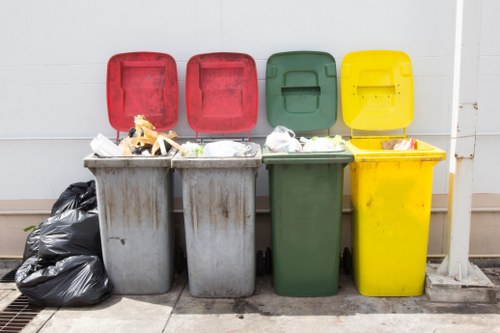
Most commercial waste removal jobs involve ordinary non-hazardous material, but some sites produce items that need special attention. These can include substances or objects that should not be mixed with general rubbish because of the way they are stored, labelled or regulated. When such material is present, the right approach is to identify it clearly and arrange the job accordingly. Our hazardous waste disposal page is relevant where the load contains specialist waste that needs separate consideration rather than a standard mixed clearance.
Hazardous or sensitive items are not something to guess about. If you are uncertain whether a material counts as specialist waste, it is better to describe it plainly than to overstate or understate the issue. The more accurate the description, the easier it is to decide how to handle the collection. That may include leaving certain materials out of a general clearance, or planning the work so they are isolated and dealt with in the correct way.
Commercial customers sometimes need a mixture of ordinary clearance and specialist sorting in the same premises. In those cases, the safest course is to keep the scope precise. A business may have cardboard, office furniture and general rubbish in one area, while another store room contains material that should not be mixed in. Clear separation at the planning stage makes the whole process more manageable.
Furniture, appliances and confidential items
Some businesses need more than simple rubbish collection. They may have broken appliances, redundant office equipment, filing units or items that contain paper records or sensitive material. A commercial clearance can be adapted to remove those objects as part of a wider job, provided the contents are suitable for the chosen route. Where paper records are involved, confidentiality matters, so it is useful to identify those items clearly and avoid mixing them with general office waste. For this type of work, our confidential shredding page is the relevant destination when secure document disposal is required.
Appliance removal should also be handled with care because not every unit is the same. Fridges, freezers and similar items are bulkier than standard rubbish and can require separate planning, while smaller electrical equipment may be grouped differently. If a site contains a combination of furniture, appliances and paperwork, the load may be split into sensible categories before collection so that the work stays orderly and the right materials are handled appropriately.
When arranging this sort of service, a short, practical list is usually enough: what is going, where it is located and whether any items need to be treated separately. That keeps the enquiry simple without turning it into a long administrative task. Specificity saves time and helps avoid the sort of confusion that can happen when a business has several kinds of waste in one place.
Pricing factors and quote preparation
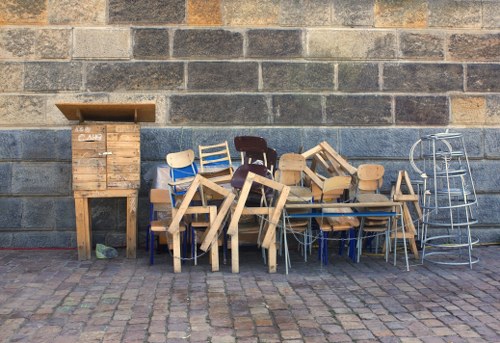
The cost of commercial waste removal usually depends on the volume of waste, the type of material, how easy it is to access and whether any items need special handling. A mixed load from an office or retail unit may be straightforward, while a heavier clearance with bulky fixtures, awkward access or specialist segregation can involve more planning. If you want to compare options, the pricing and quotes page is a useful place to look at how enquiries are approached and what information helps shape a quotation.
For a sensible quote, it is usually enough to provide a clear description of the items, the approximate amount involved and any access details that could affect loading. Photographs can be helpful where they show the scale and mix of waste, but they are not a substitute for a proper description. If the job includes different categories of material, say so from the start. That allows the quotation to reflect the actual work rather than a rough guess based on incomplete detail.
If you are ready to move forward, send the basic information and ask for a quotation. You can also use this page to decide whether the work is mainly office, retail, furniture or mixed commercial waste. Either way, our aim is to keep the process clear and practical. If the job sounds like the right fit, get in touch for a quote.
Booking the service
Once the waste type and access details are clear, booking is usually a matter of agreeing the scope and choosing a suitable time for the collection. Some customers prefer to combine the clearance with other premises work, while others want the waste removed separately so that staff can continue using the site with minimal interruption. Where a business needs an organised collection without unnecessary complications, our book online page offers a direct way to proceed if you already know what needs to be cleared.
Before confirming, it is sensible to check what will stay on site and what will go. That avoids confusion where some items are to be retained for reuse, redeployment or resale. A good commercial clearance is built around the actual contents of the premises, not around assumptions. If you have several areas to clear, it may be useful to list them in order so the collection can be planned around the layout rather than treated as one undifferentiated load.
The final step is simply to request your quotation and choose the most practical collection arrangement. If you want to make a start now, send the details and ask for a quote. For straightforward commercial waste removal in Bow, a clear description of the load is the best place to begin.